
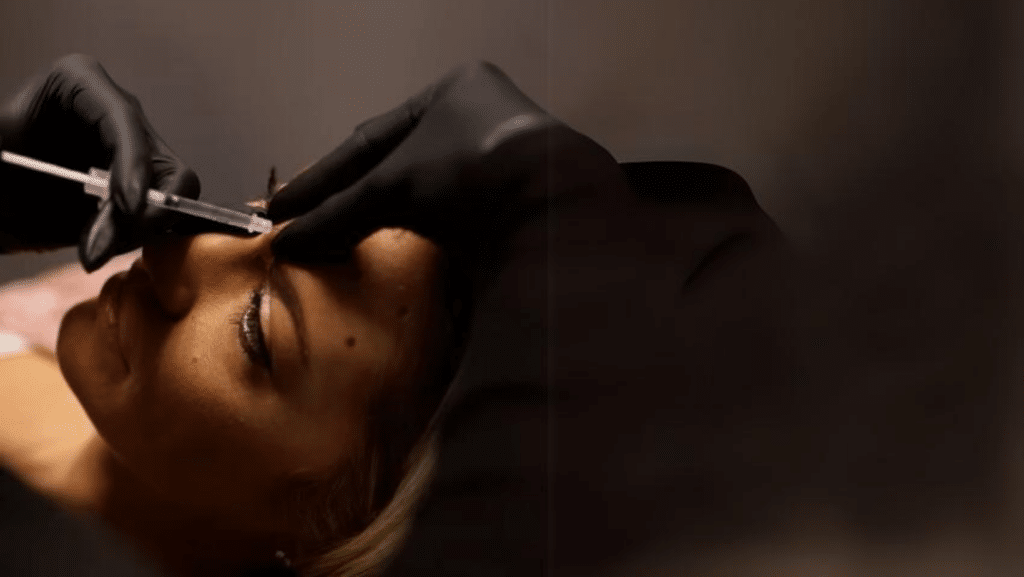
Botox and dermal fillers are among the most widely discussed non-surgical aesthetic treatments today. Both procedures are commonly used to address signs of facial aging, yet many patients still confuse the two or assume they produce the same results. In reality, Botox and fillers work in very different ways, target different concerns, and are selected based on a person’s facial anatomy, skin condition, age-related changes, and treatment goals.
With the growing popularity of aesthetic medicine worldwide, patients are increasingly seeking non-surgical procedures that can improve facial appearance with minimal downtime. However, the increasing availability of these treatments has also created confusion, misinformation, and unrealistic expectations. Social media trends, heavily edited images, and non-medical marketing often oversimplify procedures that actually require careful facial assessment and professional expertise.
Understanding the difference between Botox and fillers can help patients make safer, more informed decisions and avoid treatments that may not suit their needs.
What Is Botox?
Botox is a purified botulinum toxin type A that temporarily relaxes targeted facial muscles. It is primarily used to reduce dynamic wrinkles, which are lines caused by repeated facial movements over time.
Common examples include:
- Botox for Forehead lines
- Botox for Frown lines between the eyebrows
- Botox for Crow’s feet around the eyes
When injected in controlled amounts by a trained professional, Botox reduces muscle activity in specific areas. This softens existing expression lines and may also help prevent deeper wrinkles from forming over time.
Botox has been used in medicine for many years, not only for cosmetic purposes but also for conditions such as excessive sweating, muscle spasms, migraines, and teeth grinding.
What Are Dermal Fillers?
Dermal fillers are injectable substances used to restore lost volume, improve facial contours, and soften static wrinkles. Unlike Botox, fillers do not relax muscles. Instead, they add structure and support beneath the skin.
Most modern fillers are made from hyaluronic acid, a naturally occurring substance found in the body that helps maintain hydration and skin volume.
Fillers are commonly used for:
- Fillers for Cheek enhancement
- Fillers for Lip augmentation
- Fillers for Nasolabial folds
- Fillers for Jawline definition
- Fillers for Under-eye hollows
- Fillers for Chin contouring
- Fillers for Acne scar correction
As people age, the support provided by collagen, fat, and bone gradually decreases. This volume loss contributes to facial sagging and hollow areas. Fillers are often used to address these structural changes.
The Main Difference Between Botox and Fillers
The simplest way to understand the difference is:
- Botox reduces muscle movement
- Fillers restore volume
Botox is generally used for movement-related wrinkles, while fillers are used for volume loss, contouring, and deeper folds.
For example:
Botox is commonly used for:
- Forehead lines
- Crow’s feet
- Frown lines
Fillers are commonly used for:
- Lips
- Cheeks
- Smile lines
- Jawline enhancement
In some patients, both treatments may be combined to achieve balanced facial rejuvenation.
Understanding Dynamic vs Static Wrinkles
One important concept in aesthetic dermatology is the difference between dynamic and static wrinkles.
Dynamic Wrinkles
These wrinkles appear due to repeated facial movement, such as smiling, squinting, or frowning. They are usually more visible during expressions. Botox is often more effective for these wrinkles.
Static Wrinkles
Static wrinkles remain visible even when the face is relaxed. They are often linked to collagen loss, aging, sun damage, and reduced skin elasticity.
Fillers may help soften these lines by restoring support beneath the skin.
Treatment Goals Are Different for Every Patient
Aesthetic treatment planning should always be individualized. Two patients of the same age may have completely different concerns and facial anatomy.
Some patients seek:
- Softening of facial lines
- Prevention of early aging
- Restoration of facial volume
- Improved facial symmetry
- Subtle enhancement rather than dramatic change
An experienced aesthetic physician evaluates:
- Skin quality
- Facial proportions
- Muscle movement
- Volume loss
- Age-related changes
- Medical history
- Patient expectations
This is why choosing a qualified provider is especially important for injectable procedures.
Patients searching for a dermatologist often seek professionals with experience in both dermatology and aesthetic facial assessment, rather than simply choosing treatments based on trends.
Common Areas Treated With Botox
Botox is frequently used in the upper face, including:
Botox for Forehead
To soften horizontal forehead lines.
Botox for Glabella
The area between the eyebrows where “11 lines” commonly form.
Botox for Crow’s Feet
Fine lines around the outer corners of the eyes.
Additional medical and cosmetic uses may include:
- Jaw slimming
- Excessive sweating treatment
- Neck bands
- Teeth grinding
- Brow lifting
Common Areas Treated With Fillers
Dermal fillers are commonly used for:
Fillers for Lips
To improve shape, hydration, and definition.
Fillers for Cheeks
To restore mid-face volume loss.
Fillers for Nasolabial Folds
The lines extending from the nose to the mouth.
Fillers for Jawline and Chin
To improve facial contour and definition.
Fillers for Under-Eye Hollows
To reduce a tired appearance caused by volume loss.
Fillers may also be used in acne scar treatment and facial balancing procedures.
How Long Do Results Last?
Botox Duration
Botox results usually become noticeable within several days and typically last 3 to 4 months, though this can vary between individuals.
Filler Duration
Dermal filler longevity depends on:
- Product type
- Injection area
- Metabolism
- Lifestyle factors
Many hyaluronic acid fillers last between 6 months to 18 months.
Maintenance sessions are often required for continued results.
Are Botox and Fillers Safe?
When performed by qualified medical professionals using approved products, both Botox and fillers are generally considered safe. However, no cosmetic procedure is completely risk-free.
Possible Botox Side Effects
- Mild swelling
- Bruising
- Headache
- Temporary eyelid drooping
- Uneven facial movement
Possible Filler Side Effects
- Swelling
- Bruising
- Lump formation
- Asymmetry
- Infection
Rare but serious filler complications can include vascular occlusion, in which the filler blocks the blood supply to tissues. This is one reason why knowledge of facial anatomy and proper injection technique are extremely important.
Why Qualification and Expertise Matter
Injectable treatments should not be treated as routine beauty procedures without medical oversight. Facial anatomy is complex, and complications can occur when inexperienced or unqualified providers perform procedures.
A trained dermatologist or aesthetic physician understands:
- Facial vascular anatomy
- Injection depth and technique
- Product selection
- Skin health
- Complication management
- Natural facial proportions
Patients often review professional qualifications, treatment approaches, and clinic credibility through platforms such as this Google Business Profile before considering aesthetic procedures.
Unrealistic Expectations and Social Media Influence
One growing concern in aesthetic medicine is the influence of heavily filtered social media content. Many patients develop unrealistic expectations based on edited images or exaggerated treatment results.
Good aesthetic practice focuses on:
- Facial balance
- Natural-looking outcomes
- Preserving expressions
- Gradual improvement
- Long-term skin health
Over-treatment can sometimes create an unnatural appearance that may not align with healthy facial aging.
Who May Not Be Suitable for Treatment?
Botox or fillers may not be appropriate for everyone.
Additional evaluation may be needed for individuals who:
- Are you pregnant or breastfeeding
- Have certain neuromuscular conditions
- Have active skin infections
- Have severe allergies
- Have unrealistic cosmetic expectations
A proper consultation helps determine whether treatment is medically appropriate and aligned with the patient’s goals.
Preventive Botox and Early Aesthetic Treatments
Some younger adults now seek preventive aesthetic treatments before deep wrinkles appear. Preventive Botox aims to reduce repetitive muscle movement early, potentially slowing the formation of wrinkles over time.
However, treatment decisions should be individualized rather than trend-driven. Not every patient requires early injectable procedures.
The Importance of Personalized Treatment Planning
There is no universal “best” injectable treatment for everyone. The choice between Botox, fillers, or combined treatment depends on:
- Age
- Skin condition
- Facial anatomy
- Muscle activity
- Volume loss
- Desired outcome
Ethical aesthetic medicine prioritizes patient education, realistic expectations, and safety rather than excessive or unnecessary procedures.
Final Thoughts
Botox and dermal fillers are different treatments designed to address different aspects of facial aging and cosmetic concerns. Botox works by relaxing targeted muscles that create expression lines, while fillers restore volume and support the face.
Understanding these differences helps patients make informed decisions and approach cosmetic treatments more realistically. Since facial anatomy, skin condition, and treatment goals vary widely among individuals, professional assessment remains one of the most important factors in achieving safe and balanced results.
When performed carefully by qualified professionals, injectable treatments can provide subtle and natural-looking improvements while maintaining facial harmony and expression.
