
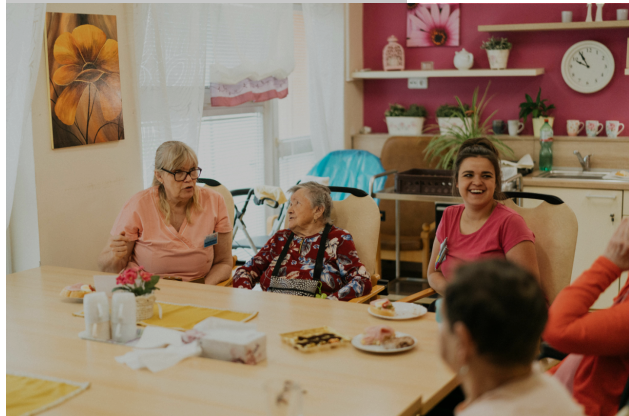
Healthy aging is influenced by a combination of daily habits, environment, and overall mindset. While some aspects of aging are beyond control, many factors that contribute to well-being can be shaped through intentional choices. Small, consistent lifestyle adjustments can make a meaningful difference in maintaining energy, independence, and quality of life over time.
Focusing on manageable changes allows individuals to build sustainable habits without feeling overwhelmed. These adjustments often fit naturally into daily routines, making them easier to maintain long term. By prioritizing simple yet effective strategies, it becomes possible to support both physical and emotional health throughout the aging process.
Staying Physically Active Each Day
Regular physical activity is one of the most important contributors to healthy aging. Movement helps maintain strength, flexibility, and balance, all of which are essential for staying independent and reducing the risk of injury. Even light activities such as walking, stretching, or gentle exercises can have a positive impact when done consistently.
Incorporating movement into daily routines does not require a strict fitness plan. Choosing to stay active throughout the day, such as taking short walks or engaging in enjoyable physical activities, can help build a sustainable habit. Over time, these efforts support improved mobility and overall wellness.
Physical activity also contributes to better mood and mental clarity. When the body stays active, it helps regulate stress levels and promotes a more positive outlook, which plays an important role in long-term health.
Maintaining Strong Social Connections
Social interaction is equally important when it comes to healthy aging. Staying connected with others supports emotional well-being and helps reduce feelings of isolation. Regular conversations, shared experiences, and meaningful relationships all contribute to a more fulfilling lifestyle.
Engaging with friends, family, or community groups creates opportunities for connection and support. These interactions provide a sense of belonging that can improve confidence and overall mood. Over time, strong social ties become a valuable part of maintaining emotional balance.
Living environments that encourage connection, such as independent living with supportive services** in Philadelphia, can help make social interaction a natural part of daily life. These settings often provide opportunities for engagement that support both independence and companionship.
Prioritizing Nutrition and Hydration
A balanced diet plays a key role in supporting the body as it ages. Proper nutrition provides the necessary energy and nutrients to maintain strength, support immune function, and promote overall health. Simple changes, such as incorporating more whole foods and maintaining regular meal times, can make a noticeable difference.
Hydration is just as important as nutrition. Drinking enough water throughout the day helps maintain energy levels, supports digestion, and contributes to overall well-being. Small habits like keeping water easily accessible can help ensure consistent hydration.
Supporting Mental and Cognitive Health
Keeping the mind active is an essential part of healthy aging. Engaging in activities that challenge the brain helps maintain cognitive function and supports memory over time. Reading, learning new skills, or participating in creative hobbies are all effective ways to stay mentally engaged.
Variety is important when it comes to cognitive stimulation. Exploring different interests helps keep the mind flexible and responsive. This adaptability supports overall mental sharpness and contributes to a greater sense of confidence in daily tasks.
In addition, maintaining a curious and open mindset encourages lifelong learning. This approach helps create a more engaging and rewarding experience, reinforcing the importance of mental well-being throughout the aging process.
Creating Consistent Daily Routines
Establishing a consistent routine can provide structure and stability, which are important for both physical and emotional health. Predictable daily patterns help reduce stress and make it easier to maintain healthy habits. Routines can include regular times for meals, activity, relaxation, and sleep.
Consistency also supports better sleep, which is essential for overall wellness. When the body becomes accustomed to a routine, it is easier to maintain a steady sleep schedule and achieve more restful sleep. This contributes to improved energy and focus during the day.
Managing Stress and Promoting Relaxation
Stress management is an important part of healthy aging. Chronic stress can impact both physical and emotional health, making it essential to find ways to relax and unwind. Simple practices such as deep breathing, spending time outdoors, or engaging in calming activities can help reduce stress levels.
Creating moments of relaxation throughout the day allows the body and mind to reset. These moments do not need to be lengthy to be effective. Even short breaks can help improve overall well-being and maintain a sense of balance.
Encouraging Independence and Purpose
Maintaining a sense of independence is a key factor in healthy aging. Being able to make decisions, engage in activities, and manage daily life contributes to confidence and self-esteem. Encouraging independence helps individuals remain active and involved in their own well-being.
A sense of purpose also plays an important role. Engaging in meaningful activities, whether through hobbies, volunteering, or personal interests, provides motivation and fulfillment. These experiences create a sense of accomplishment that supports emotional health.
Conclusion
Healthy aging is not defined by major changes but by consistent, small choices made each day. By staying active, maintaining social connections, and supporting both physical and mental well-being, individuals can create a lifestyle that promotes long-term health and happiness. These simple adjustments help build a strong foundation for continued independence and overall quality of life.
With a thoughtful approach and a focus on balance, it becomes possible to navigate the aging process with confidence and comfort. Small lifestyle changes, when practiced consistently, can lead to lasting benefits that support well-being at every stage of life.
