
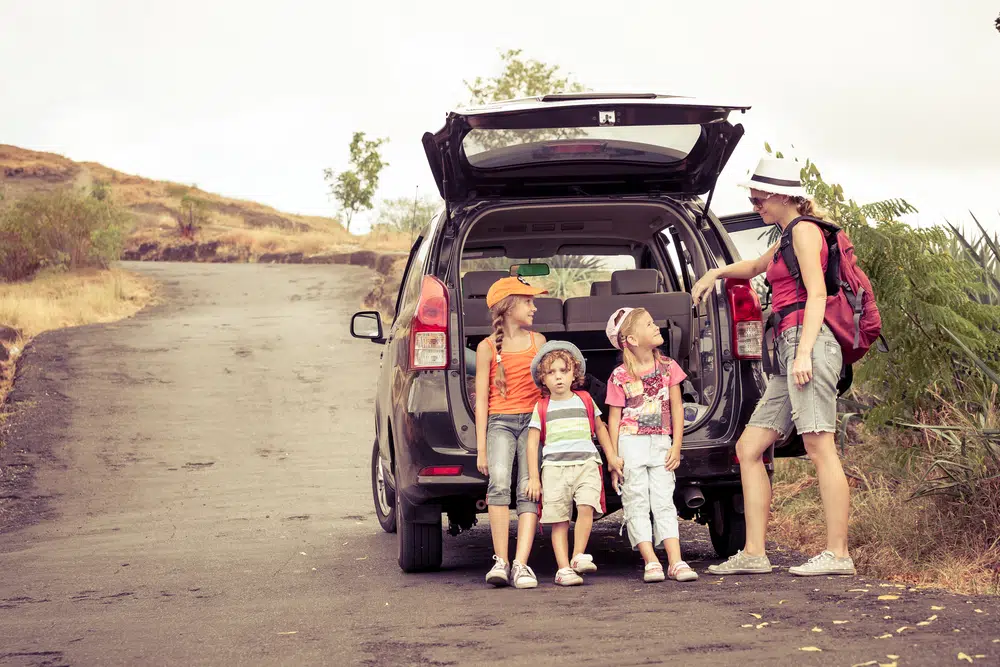
Recent data from Tourism Research Australia highlights a massive ongoing engagement in domestic road travel. With Western Australia alone recording over 10.9 million overnight visitors recently, it is clear that families are packing up their vehicles and hitting the open road. Vehicle hire and self-drive tourism have grown significantly, meaning Australian families are spending more consecutive hours inside their cars to reach regional destinations stretching from coastal towns to the rugged outback. However, preparing for these long stretches requires more than just a good playlist and plenty of snacks. The Australian sun is notoriously harsh, and making sure your vehicle is adequately sun-proofed is critical for a safe and comfortable journey.
The Hidden Heat Risks Inside Your Vehicle
The temperature inside a parked car on a typical summer day can reach 30 to 40 degrees Celsius higher than the ambient temperature outside. According to Kidsafe, 75 percent of this temperature increase occurs within just the first five minutes of the doors being shut. Even on a mild 25-degree day, a vehicle’s interior can surpass 40 degrees Celsius in exactly ten minutes, turning the cabin into a highly uncomfortable and potentially hazardous environment.
Because kids in the back seat are often strapped into child restraints and cannot simply move away from direct sunlight, installing a high-quality rear window shade is one of the most effective ways to block out harsh glare. By creating a physical barrier against the sun, you not only protect their delicate skin from incoming rays but also significantly improve their overall comfort during those long highway stretches.
This rapid heat rise is especially important to consider when you are venturing away from the coast. In fact, as off-grid glamping is redefining the Australian family holiday, more parents are taking well-equipped vehicles into remote, sun-drenched areas where shade is sparse and temperatures remain high throughout the afternoon.
Protecting Vulnerable Passengers from UV Radiation
While ambient heat is a clear and immediate danger, invisible ultraviolet radiation presents another major risk during long drives. Most car windscreens are made of laminated glass that blocks around 98 percent of UVA radiation. However, standard side and rear windows are typically made of untinted tempered glass. This material can allow up to 70 percent of deeply penetrating UVA rays directly into the passenger cabin. Because of this, cancer prevention organisations actively warn that people spending extended periods in vehicles need supplementary sun protection.
Young children are particularly vulnerable to these harsh conditions. The Royal Children’s Hospital Melbourne notes in their sun safety fact sheet that a child’s highly sensitive skin can get sunburnt in just 10 minutes when the UV Index reaches 3 or higher, which is a common daily occurrence across Australia.
Keep in mind that leaving a car window down by five centimetres has almost no significant effect on reducing overall cabin heat or UV exposure. Furthermore, safety tests show that the colour of your interior trim makes no real difference to how quickly the cabin heats up, meaning all families must take proactive sun-safety measures regardless of their vehicle model.
Essential Steps for a Sun-Safe Journey
Getting your car ready for extreme heat does not have to be complicated, nor does it require expensive modifications. A few simple adjustments can completely transform your driving experience and keep everyone in the back seat happy. Here are a few practical ways to sun-proof your family car before you leave the driveway:
- Pre-cool the cabin: Start the car and run the air conditioning for a few minutes before loading the kids into the back. This helps drop that initial, stifling heat and makes securing seatbelts much easier.
- Apply sunscreen early: Do not wait until you reach the beach or campsite. Apply a broad-spectrum sunscreen to all passengers at least 20 minutes before setting off, specifically targeting the arms and right side of the face which receive the most exposure through the side windows.
- Cover metal fittings: Seatbelt buckles and metal harness clips can reach scorching temperatures in direct sunlight. Drape a light towel over child seats when the car is parked to prevent contact burns on delicate skin.
- Plan your driving hours: Whenever possible, schedule the longest legs of your journey for the early morning or late afternoon. Avoiding the peak UV periods between 10:00 AM and 3:00 PM will naturally reduce the amount of heat radiating into the cabin.
- Maximise hydration: Children dehydrate faster than adults and are significantly more susceptible to severe heat stress. Pack insulated water bottles for every passenger and keep a large cooler bag accessible in the main cabin for quick top-ups.
Enjoying the Ride in Total Comfort
Post-pandemic travel behaviours show that the average duration of domestic trips has steadily increased, with many families opting for multi-week itineraries rather than short weekend getaways. With more time spent on the road, passenger comfort is just as important as engine maintenance, oil checks, or tyre pressure. By understanding how quickly vehicles heat up and taking proactive steps to block UV radiation, you can ensure your next family adventure is memorable for all the right reasons. Sun-proofing your car provides immense peace of mind, allowing you to focus completely on the spectacular scenery and the quality time spent together.
