
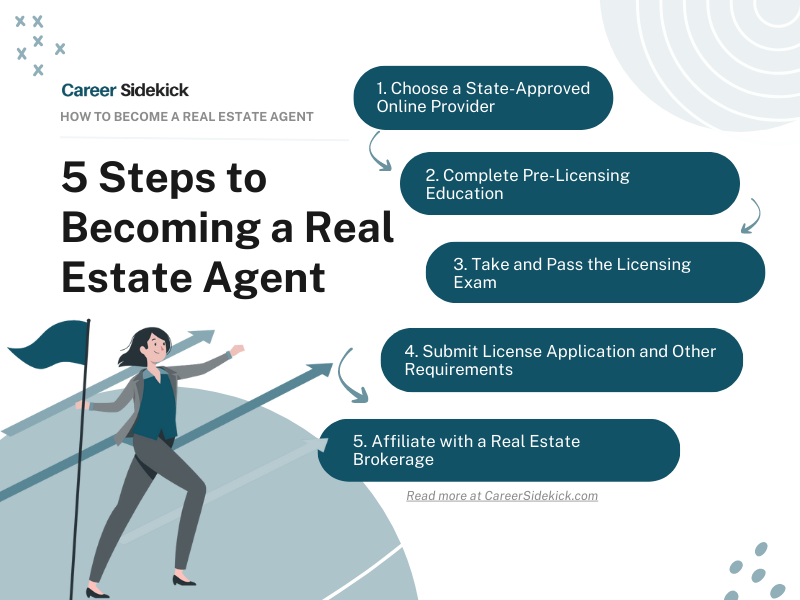
The real estate industry attracts people from many different professional backgrounds. Some enter the field after working in sales, finance, or marketing, while others start with no prior industry experience. Although the profession can appear straightforward from the outside, the reality is that property transactions involve detailed processes and professional standards. Real estate classes serve as the starting point that introduces these complexities and prepares aspiring professionals for the responsibilities ahead. For individuals researching how to become a real estate agent, structured learning provides the direction needed to begin the journey confidently.
Learning the Language of the Property Industry
Every profession has its own terminology, and real estate is no exception. Contracts, listings, escrow processes, contingencies, and disclosures are all part of everyday industry conversations. For someone new to the field, these terms can initially feel confusing.
Real estate classes introduce students to the language used throughout property transactions. Understanding these terms allows future agents to communicate clearly with clients, lenders, inspectors, and other professionals involved in the process. Anyone exploring how to become a real estate agent quickly realizes that speaking the language of the industry is essential for building credibility.
Understanding the Timeline of Property Transactions
A property sale does not happen instantly. From the moment a property is listed until the final closing, many steps take place. These steps may include marketing the property, receiving offers, negotiating terms, inspections, financing approvals, and legal documentation.
Real estate classes walk students through the full timeline of a transaction. This helps them understand how long each stage may take and what responsibilities arise along the way. For those researching how to become a real estate agent, learning this process early prevents confusion when they begin assisting real clients.
Recognizing Risk and Responsibility in Property Deals
Real estate professionals handle transactions that involve significant financial investments. Because of this, even small mistakes can create legal or financial complications. Real estate classes help students recognize where risks may appear during property deals.
Students learn about accurate documentation, responsible advertising practices, and the importance of maintaining transparency during negotiations. Understanding these responsibilities helps aspiring agents approach their work with greater attention to detail. People learning how to become a real estate agent benefit from understanding these risks before they begin working with actual clients.
Learning How Agents Manage Their Work Independently
Unlike many traditional careers, real estate professionals often operate with a high level of independence. Agents frequently manage their own schedules, client relationships, and business development activities.
Real estate classes introduce students to the professional discipline required to manage this type of work environment. They learn about time management, personal organization, and maintaining consistent communication with clients and colleagues. Individuals exploring how to become a real estate agent often discover that success in the industry depends heavily on personal responsibility and self-direction.
Discovering the Business Side of Real Estate
Real estate professionals are not only property advisors but also business operators. Agents must track leads, maintain professional networks, and develop strategies to attract potential clients.
Real estate classes often introduce students to the concept of building a professional presence in the property market. This includes understanding branding, networking, and maintaining professional relationships within the community. For those studying how to become a real estate agent, learning about this business aspect early helps them prepare for the long-term nature of the career.
Building Awareness of Local Property Communities
Property markets are deeply connected to local communities. Neighborhood development, transportation improvements, school districts, and commercial growth all influence property values.
Real estate classes encourage students to pay attention to these community factors. By understanding how neighborhoods evolve, aspiring agents gain insight into the factors that shape property demand. Anyone researching how to become a real estate agent benefits from learning how closely real estate is connected to the development of local communities.
Conclusion
Real estate classes provide much more than basic training. They introduce aspiring professionals to the language, timelines, responsibilities, and independent nature of the property industry. By understanding these elements before entering the field, students gain a clearer view of what the profession truly involves. For individuals considering how to become a real estate agent, education is the step that transforms curiosity about real estate into a structured and professional career path.
